
1363 Old Israel Rd SW , Tumwater , WA 98512

Why Is My House Sinking? Signs, Causes, and Repair Options
Michelle Lee • October 27, 2026
Noticing cracks in your walls or floors that suddenly feel uneven? You might be wondering if your house is sinking. This happens when the soil beneath your foundation shifts, settles, or can no longer support your home's weight evenly.
The good news? A sinking house doesn't always mean you need a new foundation. Depending on what's causing the problem, repairs such as pin piles can help stabilize your home and prevent further movement.
Northwest Concrete is based in Tumwater, WA, and provides
pin pile foundation support, with a focus on homeowners in Lacey and Seattle. Let's look at the warning signs, what causes foundations to sink, and which repair options make sense.
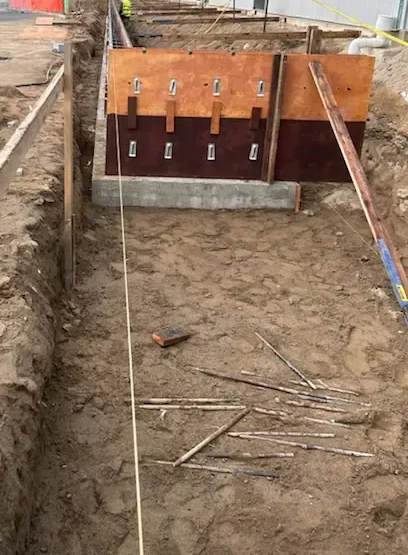
How Can You Tell If Your House Is Sinking?
One of the biggest clues is when different parts of your home start moving out of place. You might notice a door that suddenly won't close properly or a crack above a window that wasn't there before.
Other warning signs include uneven floors, gaps between walls and ceilings, cracks in foundation concrete, or a porch pulling away from the house. Sometimes these changes happen slowly, making them easy to overlook.
Here's what matters most: Are the problems getting worse? A tiny crack that's looked the same for years is different from one that's growing wider. Take a few photos, write down the dates, and watch for changes.
Warning Signs That Require Immediate Attention
Not every foundation crack is an emergency. But if you notice a wall suddenly bowing, a floor dropping noticeably, or several cracks appearing and growing quickly, don't ignore it.
These changes could mean part of your home is losing structural support. Keep people away from the affected area and contact a qualified professional promptly. If the structure appears unsafe, leave the building and seek emergency assistance. Avoid trying to lift or straighten the foundation yourself. It's tempting to fix what's visible, but the real problem may be underneath the house.
What Causes a House Foundation to Sink?
A house foundation sinks when the ground beneath it can no longer provide steady support. And while concrete is strong, even the best foundation needs solid ground underneath.
One common cause is poorly compacted soil. If the ground wasn't packed tightly enough before construction, it can gradually compress under the home's weight.
Water is another big factor. Leaking pipes, poor drainage, and erosion can wash away supporting soil or change its strength. Here in Western Washington, long rainy periods make proper drainage particularly important.
Soil movement is also behind many common foundation issues in Washington homes. Understanding what's happening beneath your house is the first step toward finding a lasting solution.
Normal Settling vs. a Sinking Foundation
Almost every house experiences some settling, especially during its early years. As the soil adjusts to the weight of the building, small changes can happen without causing serious structural problems.
The concern is uneven settlement, when one section of the house moves more than another. That difference puts stress on walls, floors, and the foundation itself. For example, a small hairline crack that never changes might be harmless. But if your living room floor keeps sloping toward one corner while nearby doors become harder to close, it's worth investigating.
A professional foundation assessment can help determine whether the movement is normal or something that needs repair.
Can a Sinking House Foundation Be Repaired?
Yes, many sinking foundations can be repaired or stabilized without replacing the entire foundation. The right solution depends on how much movement has occurred and what's causing it.
Here are some common options:
| Repair option | When it may help |
|---|---|
| Drainage improvements | Water is washing away soil or collecting around the foundation |
| Localized concrete repairs | Damage is limited and the ground beneath remains stable |
| Pin piles or foundation piers | The house needs additional support from stronger soil deeper underground |
| Foundation replacement | Sections are too badly damaged to repair safely |
The important thing is fixing the actual problem. Filling a crack might make your wall look better, but it won't stop your house from sinking if the soil underneath is still moving.
How Pin Piles Help Stabilize a Sinking House
Imagine trying to build a sturdy table on soft mud. Even with strong legs, the table could slowly sink. Your foundation faces a similar problem when the ground underneath isn't strong enough.
That's where pin piles come in.
Pin piles are steel supports installed deep into the ground to help carry the weight of a structure. Instead of depending entirely on weak soil near the surface, they transfer weight to stronger supporting ground below.
Northwest Concrete offers pin pile foundation support for properties dealing with unstable soil and foundation concerns. Before installation, the property and support requirements need to be evaluated so the system can be properly designed. Not every sinking house needs pin piles, but they're an option worth exploring when deeper support is necessary.
How Much Does It Cost to Fix a Sinking House?
The cost of fixing a sinking house depends on the severity of the problem and the repair method needed. There's a big difference between correcting drainage around your foundation and installing structural supports beneath your home.
Several things influence the price, including how much of the foundation has moved, soil conditions, equipment access, and whether additional structural work is needed.
For pin pile installations, the number of supports and the depth needed to reach suitable ground also affect the project. Rather than relying on a general online estimate, ask for a written breakdown of the recommended work and what's included. That makes it easier to compare options and understand what you're paying for.
What Happens During a Sinking Foundation Inspection and Repair
The process starts with finding out why your home is moving. A foundation professional will look at the visible damage, how the building is sitting, and any drainage or soil concerns around the property.
From there, additional evaluation may be needed to develop a repair plan. If pin piles are recommended, the plan identifies where supports belong and how they'll connect to the foundation. Installation involves accessing the work areas, placing the supports, and making the necessary connections. The exact steps depend on the foundation and the approved design.
Northwest Concrete also offers concrete foundation services. Before starting, ask your contractor who will coordinate any required engineering, permits, and inspections.
FAQs
Can a sinking house be lifted back to its original position?
Yes, some sinking houses can be lifted or partially leveled using specialized foundation repair methods. However, lifting isn't always necessary or the safest option. In many cases, stabilizing the foundation to prevent further movement is the priority. The appropriate approach depends on the home's condition and a professional structural assessment.
How long does it take to repair a sinking foundation?
The repair timeline depends on the size of the affected area, the repair method, and site conditions. A small, accessible repair generally takes less time than a project requiring multiple pin piles or extensive foundation work. Ask your contractor for a project-specific schedule after the property has been evaluated.
Do you have to move out during foundation repair?
Not always. Many foundation repairs can be completed while homeowners remain in the house. However, extensive structural work or situations involving safety concerns may require temporary relocation. Your contractor should explain which areas will be affected, whether utilities will be interrupted, and if staying in the home is safe.
Foundation Stabilization for Homes in Lacey and Seattle, WA
Homeowners in Lacey and Seattle deal with a mix of soil conditions, rainfall, and property layouts. Some homes sit on firm ground, while others have softer soils, sloped lots, or drainage concerns that deserve a closer look.
That doesn't mean every foundation problem comes from Washington's rainy weather. The only reliable way to choose a repair is to understand what's happening at your specific property.
If you're seeing signs of a sinking house, don't assume the worst, but don't ignore the changes either. Getting the foundation evaluated will help you understand whether it needs monitoring, drainage improvements, or additional structural support.
Northwest Concrete provides pin pile services designed to help support foundations where deeper ground support is needed. If you're concerned about foundation settlement in the Lacey or Seattle area, contact Northwest Concrete at 360-529-9961 to discuss your property and learn whether pin piles could be part of the solution.
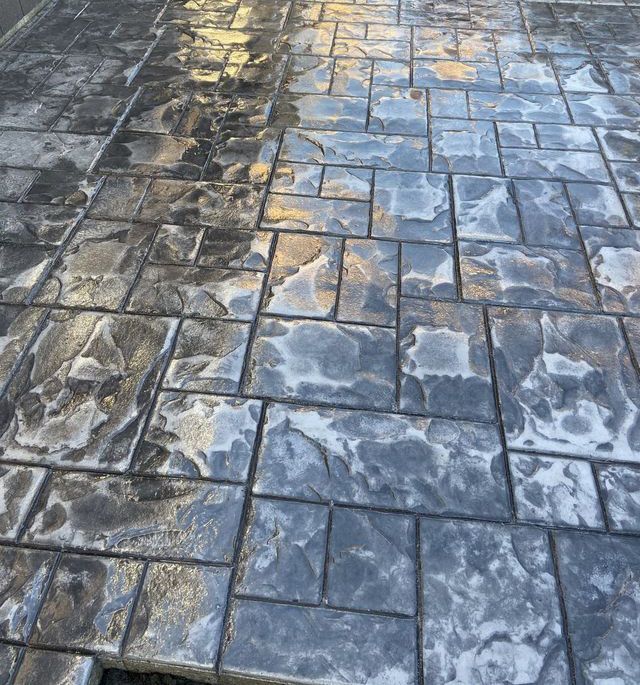
See how a stamped concrete patio in Lacey WA is designed and installed, from patterns and colors to pouring, stamping, sealing, and finishing outdoors.
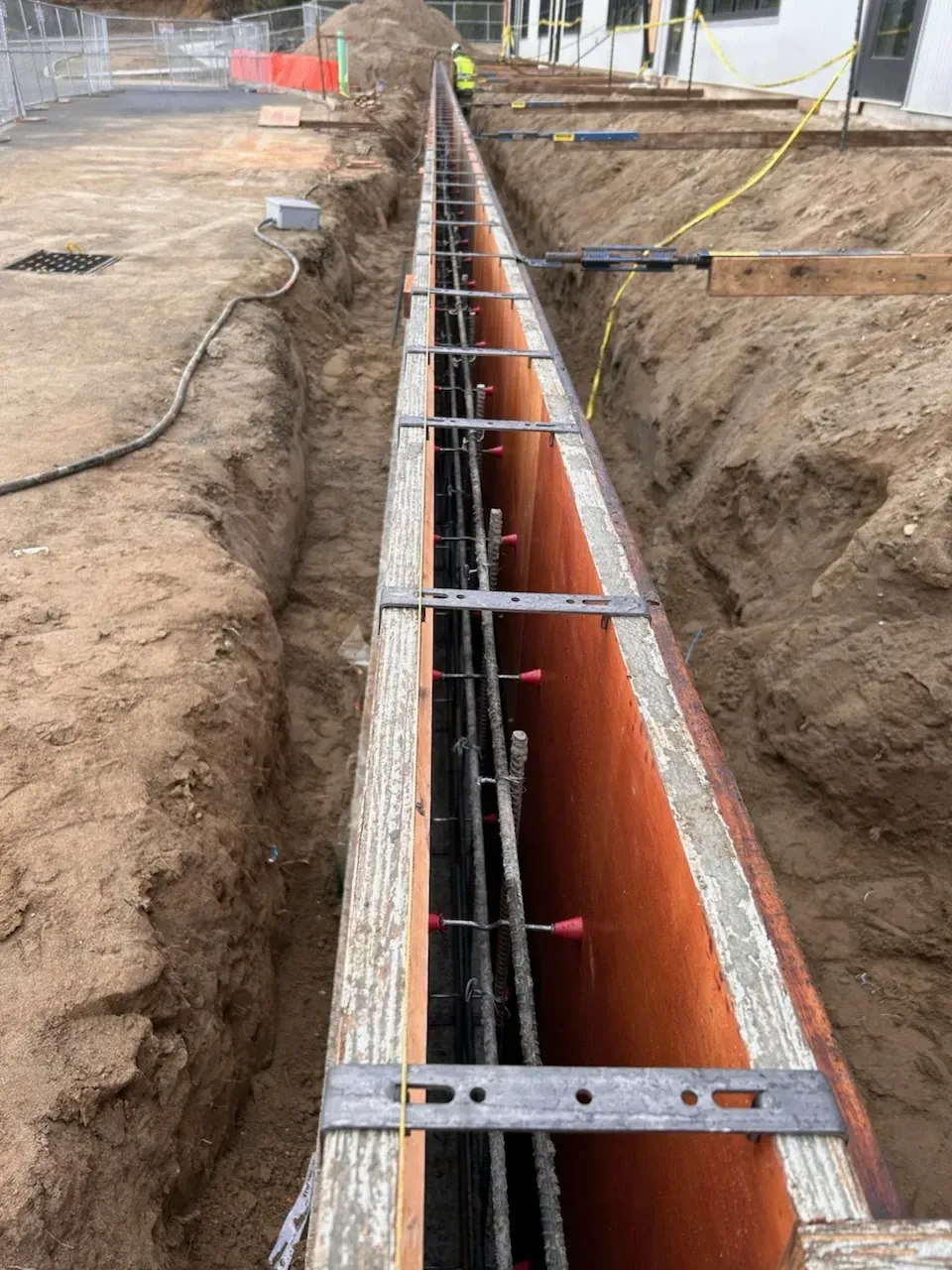
Learn how poor drainage damages driveways and patios in Tumwater, WA. Northwest Concrete explains warning signs, risks, and ways to protect your concrete.
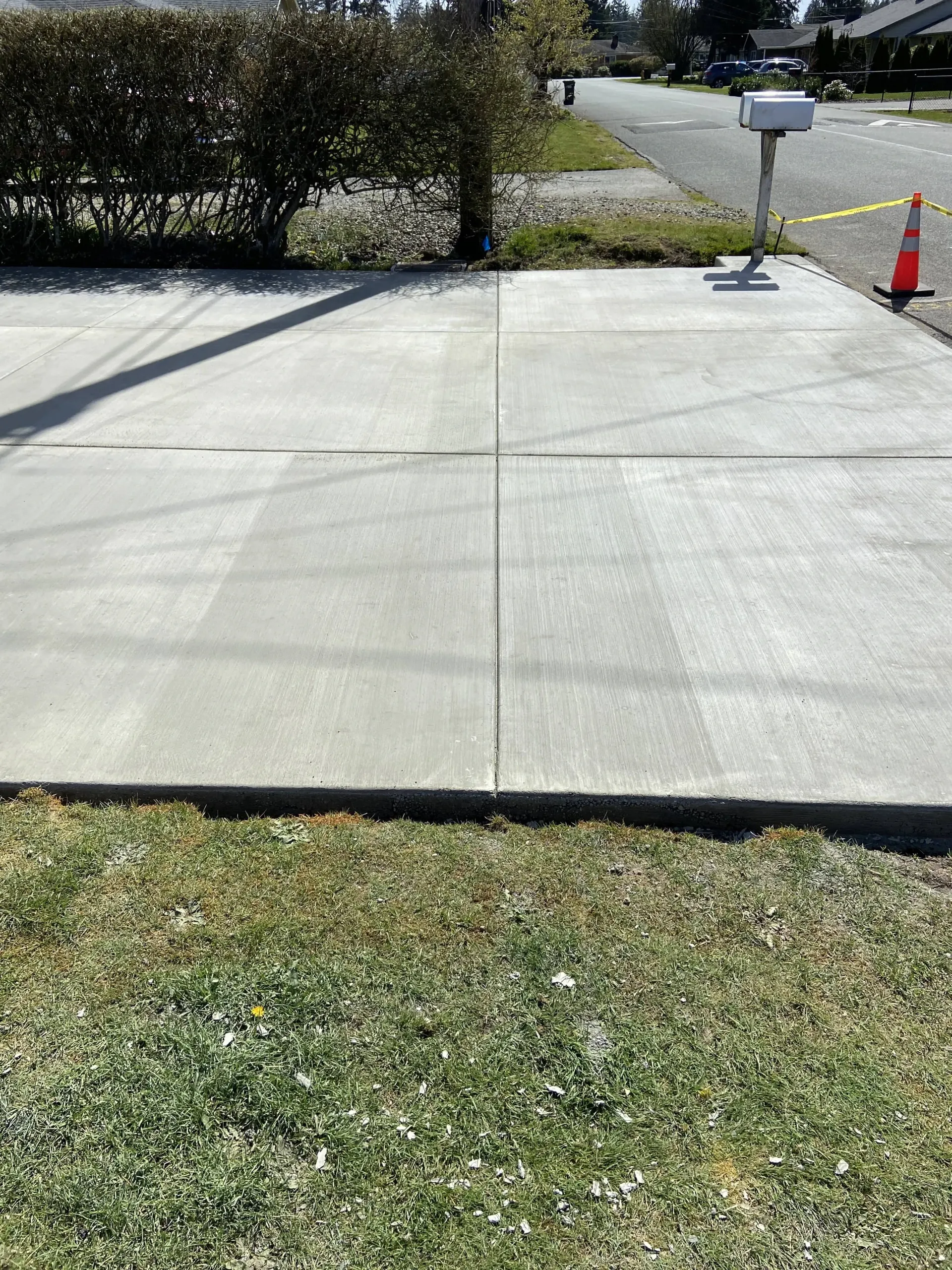
Learn when to repair, resurface, or replace a concrete driveway in Olympia WA based on damage level, cost, lifespan, and long-term value for your home.
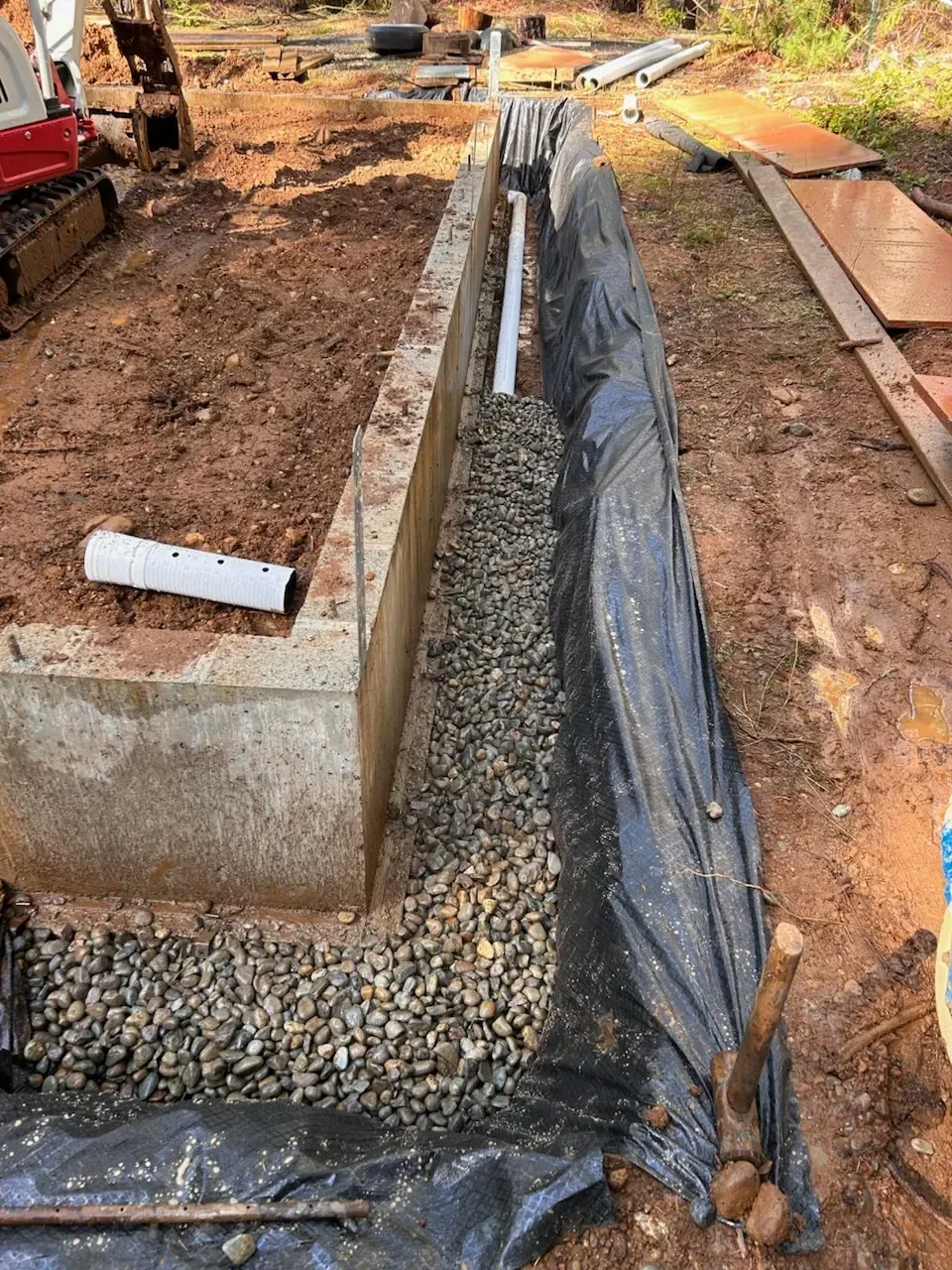
Learn how a drainage system upgrade in Tumwater WA can replace an outdated setup, improve water flow, and help protect your property from excess water.
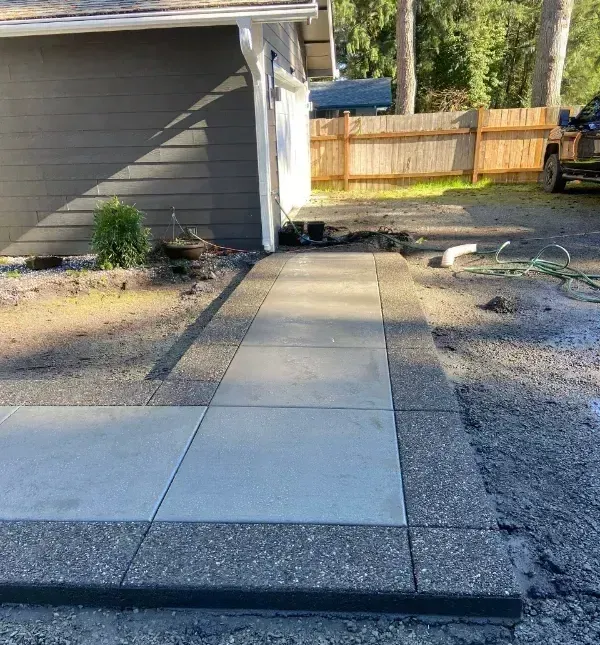
Learn why concrete surfaces sink in Lacey WA, how soil and drainage cause issues, and when leveling, replacement, or resurfacing can help.
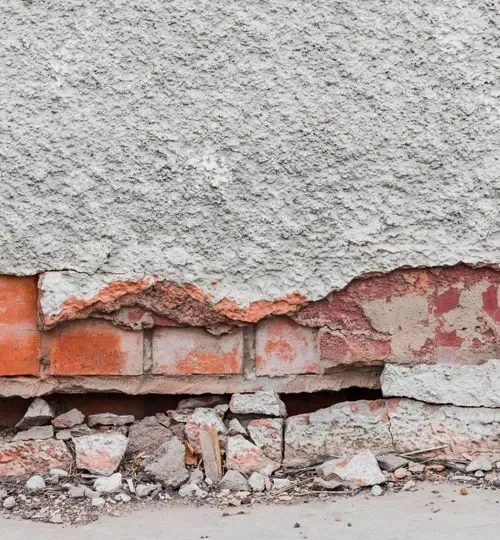
Learn how moisture, soil movement, and heavy rain can affect a concrete foundation in Washington homes, plus signs to watch for and when to call for help.
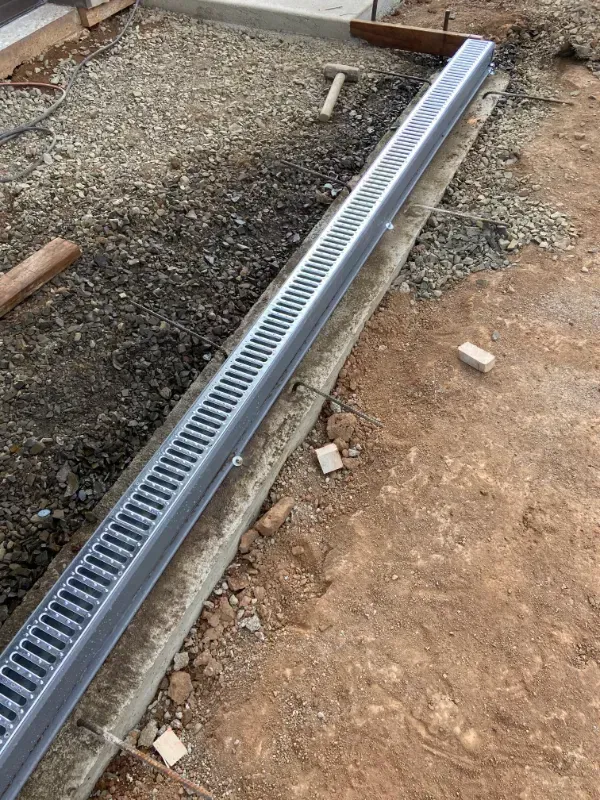
Learn common drainage issues in Olympia homes, including pooling water, erosion, and fixes that help protect concrete surfaces from damage.
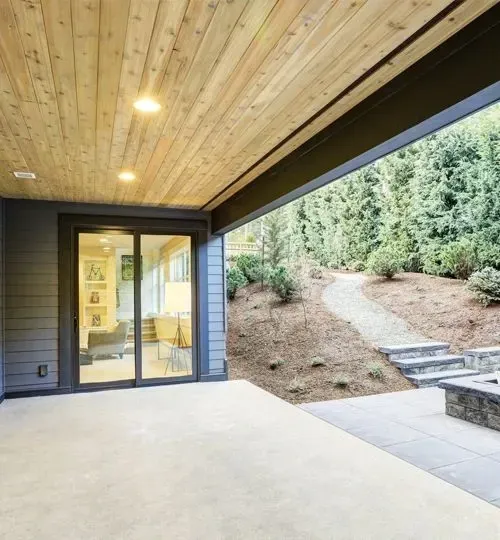
Transform your backyard with concrete patio installation in Tumwater WA. Learn design ideas, benefits, care tips, and how concrete can improve your space.
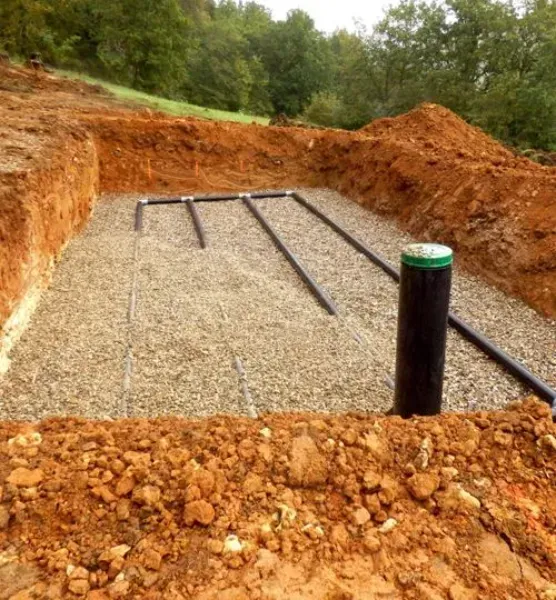
Learn the signs you need storm water drainage in Olympia WA. Protect your home from water damage. Call Northwest Concrete for a free estimate today.
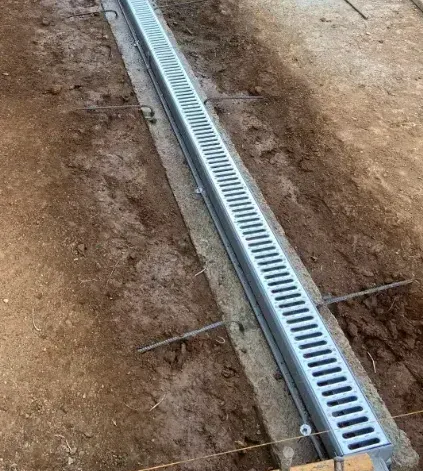
Learn how to choose the right drainage system to protect your home's foundation, stop flooding, and boost curb appeal. Tips for all soil and yard types.