
1363 Old Israel Rd SW , Tumwater , WA 98512

How Poor Drainage Damages Concrete in Tumwater WA Homes
Michelle Lee • September 28, 2026
How Poor Drainage Causes Concrete Cracks in Tumwater
Concrete may look almost indestructible, but water can slowly cause serious trouble. When rain has nowhere to go, it can collect around driveways, patios, and walkways. That moisture may seep beneath the slab, soften the soil, and weaken the strong base that concrete needs to stay level and supported.
Once the ground beneath concrete starts moving, the slab can move too. Small cracks may appear first, followed by wider gaps, sinking areas, or uneven surfaces. In rainy Tumwater,
good drainage matters because directing water away from concrete can help prevent damage before a simple moisture problem becomes a costly repair.
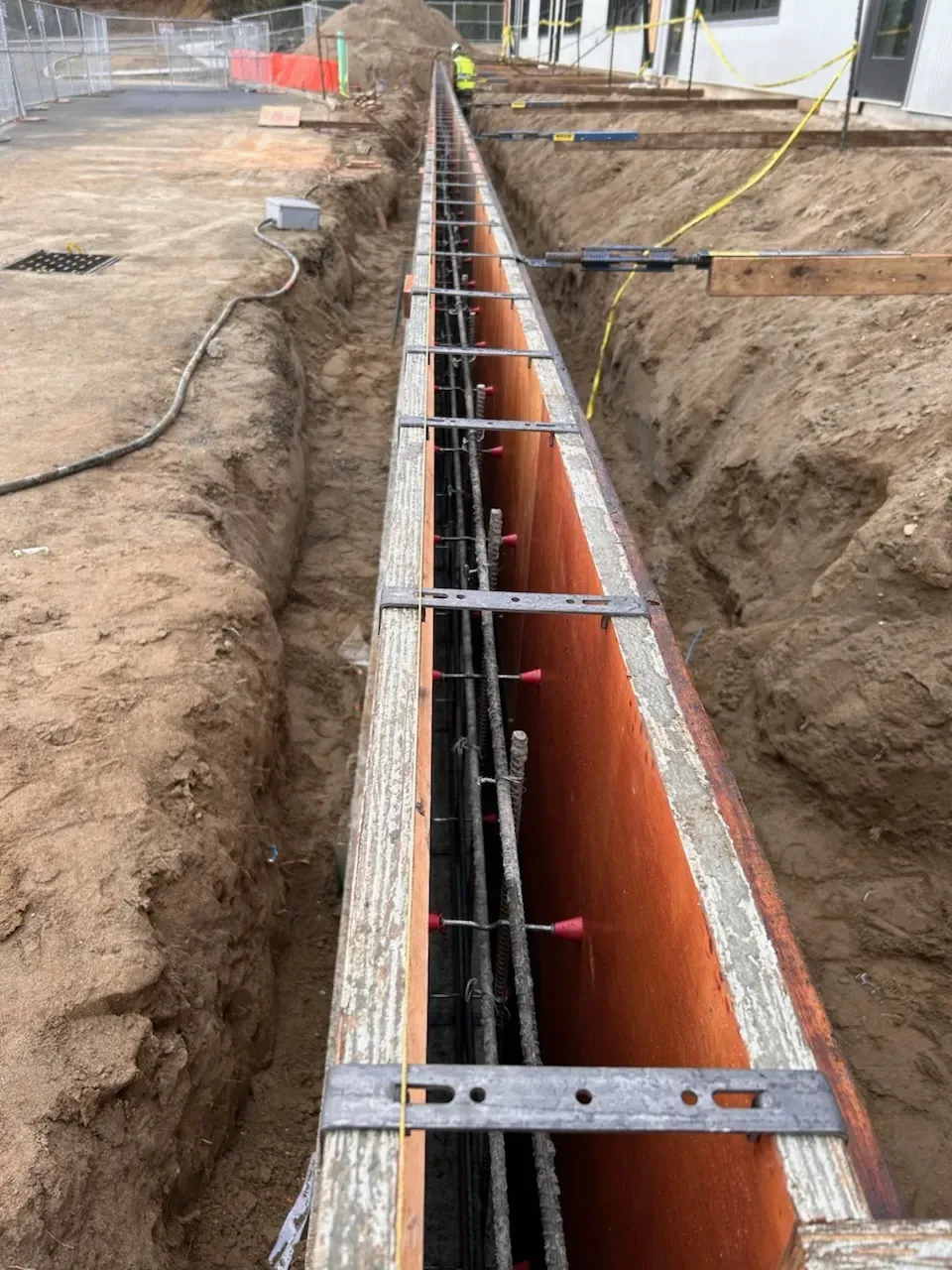
Why Standing Water Weakens Concrete Over Time
A puddle on your driveway may seem harmless, especially when it disappears later. The real concern is what happens below the surface. Water can enter small cracks, joints, and edges, then reach the soil underneath. When this happens repeatedly, the ground may become softer and less stable over time.
As the supporting soil changes, parts of the concrete may settle at different speeds. One section can sink while another stays in place, creating cracks or uneven areas. Standing water can return to those low spots, making the problem worse. Moving water away quickly helps protect the slab and ground underneath.
How a Poor Drainage System Damages Driveways
Your driveway supports heavy vehicles every day, so the ground underneath needs to stay firm. A poor drainage system can allow water to gather along the edges or travel beneath the slab. As soil becomes wet, soft, or washed away, the driveway may lose some of the support it needs.
Without steady support, sections of the driveway can shift, sink, or crack under the weight of cars and trucks. Low areas may then collect even more water after rain. This can create a repeating cycle of drainage problems and concrete damage. Correcting water flow can help stop that cycle today.
Drainage Problems That Lead to Cracked Concrete Patios
A patio should gently move rainwater away instead of letting it sit in puddles. If the surface has low spots or slopes the wrong direction, water can remain after storms. Over time, that moisture may reach the soil below and change the way the ground supports the concrete slab.
When the soil shifts or washes away, patio sections may begin to sink, tilt, or crack. You may notice puddles returning to the same place or gaps getting larger over time. Those signs can point to a drainage issue underneath the surface. Solving the water problem can help protect the repair.
How Water Erosion Affects the Soil Beneath Concrete
Concrete depends on something homeowners rarely see: the base underneath it. That soil and gravel need to remain packed, level, and stable. When water repeatedly flows beside or beneath a slab, it can slowly carry away tiny amounts of soil and create weak areas under the concrete surface.
This process is called erosion. As more material washes away, empty spaces can form underneath the slab. Concrete above those spaces has less support and may eventually crack, settle, or break. A well-planned drainage system helps control water movement, keeping the base in place and giving concrete stronger support for many years.
Why Tumwater Rain Makes Proper Drainage So Important
Tumwater gets plenty of wet weather, so concrete around your home may face moisture again and again. Driveways, patios, sidewalks, and areas near foundations all depend on water moving in the right direction. If rainwater regularly collects nearby, the soil below those surfaces may remain too wet throughout the year.
A good drainage system gives rainwater a clear path away from concrete. Proper grading, drains, gutters, downspouts, and correctly sloped slabs can all help. When these parts work together, water is less likely to gather where it can cause erosion, settling, or cracks. Good drainage is simple protection every day.
Signs Your Concrete Has a Drainage Problem
Concrete often gives homeowners warning signs before the damage becomes severe. You may notice water sitting on a driveway long after rain stops, soil washing away beside a patio, cracks growing wider, or one section of a slab sitting lower than the area around it after storms.
These signs do not always mean a major repair is needed, but they should not be ignored. Look at where water travels during heavy rain and where it collects afterward. Finding the source early can make the solution much easier. Fixing drainage first may also keep repaired concrete from becoming damaged again later.
How a Drainage System Helps Protect Concrete Surfaces
Think of a drainage system as a simple path that tells rainwater where to go. Instead of allowing water to spread across the yard or sit next to concrete, the system directs it toward a safer place. This reduces how much moisture reaches the soil supporting your slabs over time.
Good drainage can include sloped concrete, yard grading, downspout extensions, channels, or other drains. The right solution depends on your property and where water collects. By keeping the base beneath concrete drier and more stable, drainage can reduce erosion, settling, cracking, and other damage that may develop over time locally.
Preventing Long-Term Structural Damage From Poor Drainage
The easiest way to understand your drainage is to watch your property during a strong rainstorm. Notice where water moves, where it slows down, and where puddles remain. Pay special attention to driveways, patios, walkways, and areas beside the home where repeated moisture could cause problems over time.
Small changes can sometimes prevent much larger repairs later. Extending a downspout, improving the slope of the ground, correcting a low area, or adding drainage may help move water away. Addressing the cause before replacing damaged concrete gives the new or repaired surface a better chance of staying strong for years ahead.
When to Repair Concrete and Improve Your Drainage System
Cracked or sinking concrete should not automatically be treated as only a surface problem. Before repairing it, find out why the damage happened. If water causes the ground underneath to soften, shift, or erode, filling the crack alone may not solve the real problem for very long afterward over time.
Reach out to Northwest Concrete and
call at 360-529-9961
if you notice cracks, standing water, sinking slabs, or other warning signs around your Tumwater property. A professional can inspect the concrete, nearby soil, and drainage to help identify the cause and recommend the right solution for protecting your concrete long term.
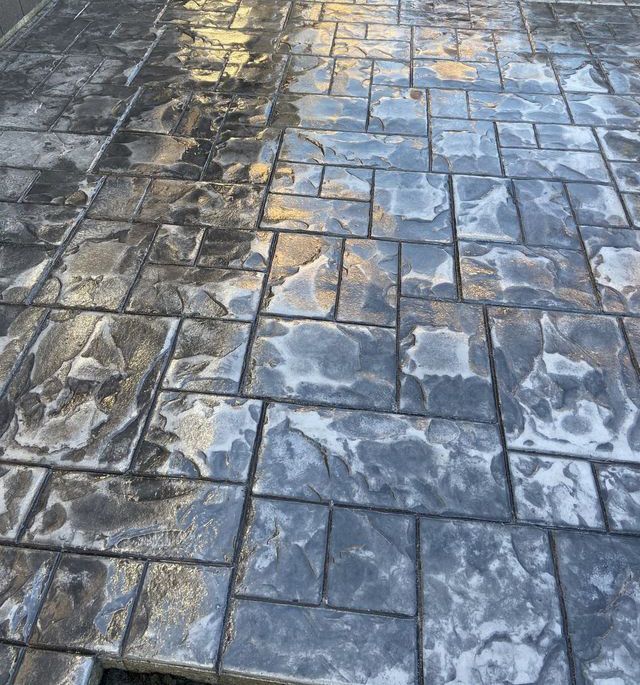
See how a stamped concrete patio in Lacey WA is designed and installed, from patterns and colors to pouring, stamping, sealing, and finishing outdoors.
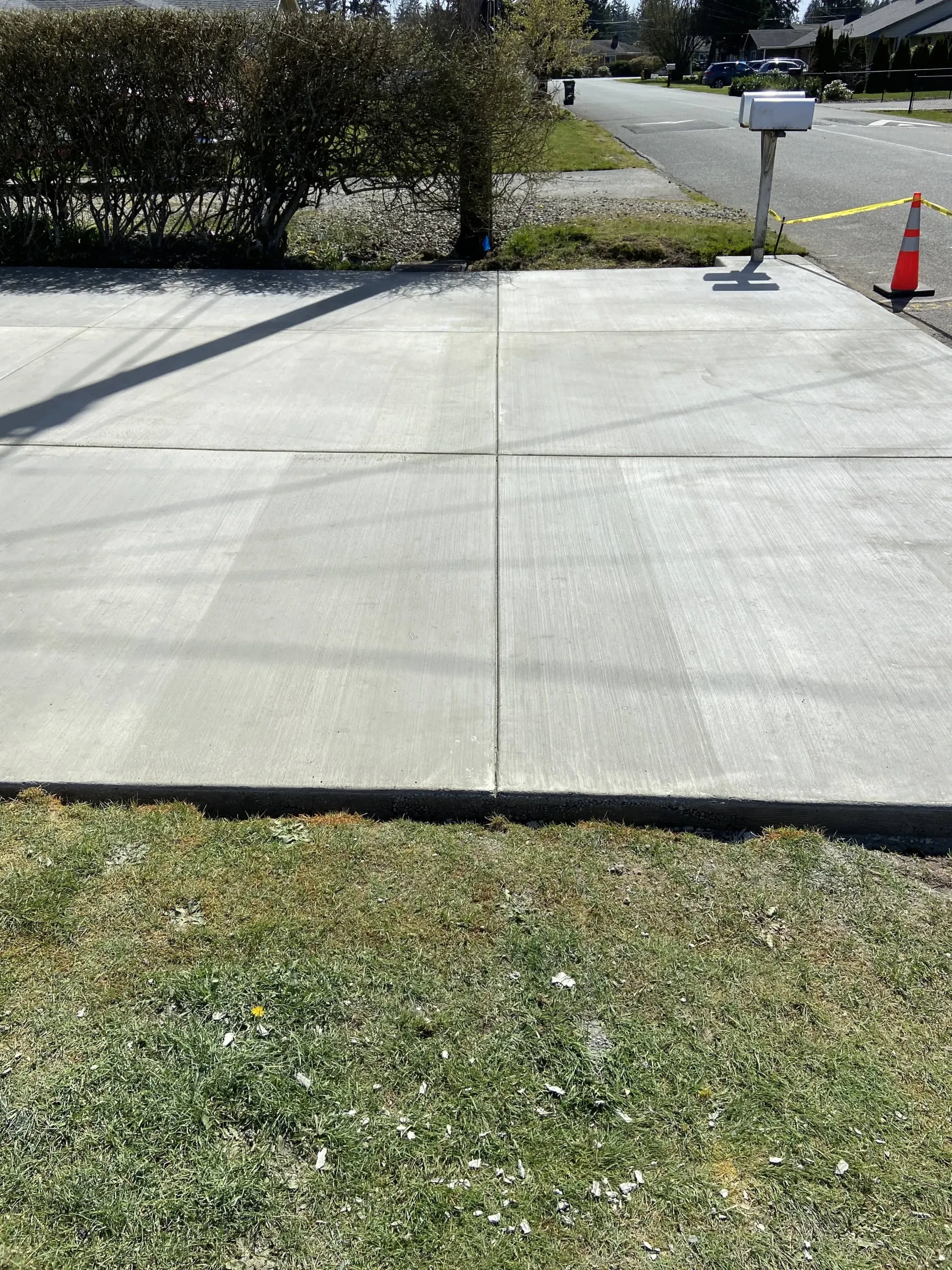
Learn when to repair, resurface, or replace a concrete driveway in Olympia WA based on damage level, cost, lifespan, and long-term value for your home.
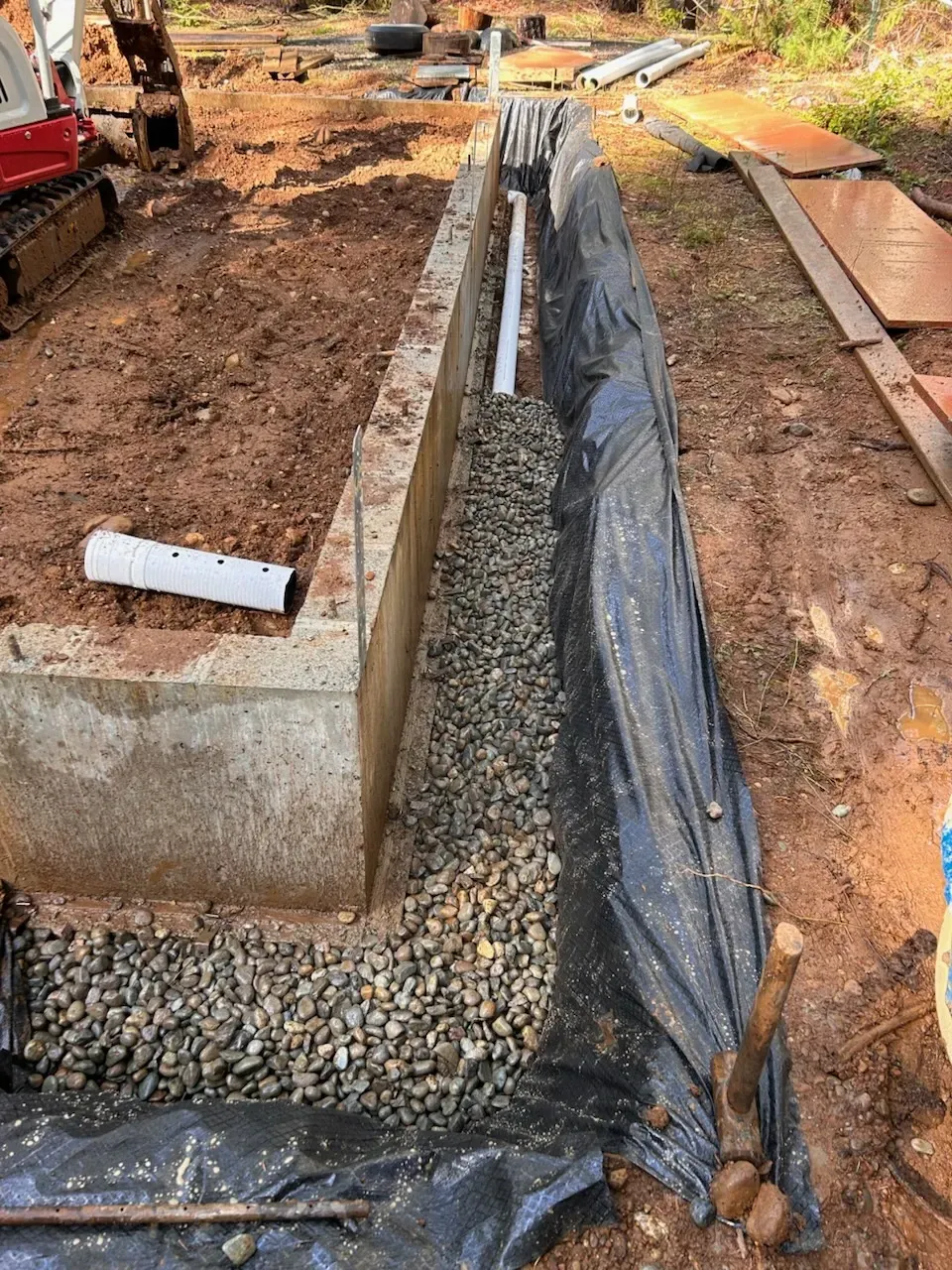
Learn how a drainage system upgrade in Tumwater WA can replace an outdated setup, improve water flow, and help protect your property from excess water.
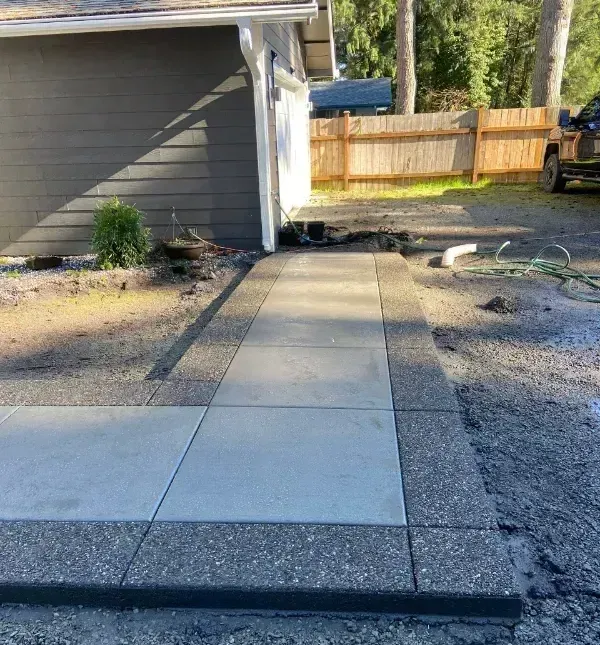
Learn why concrete surfaces sink in Lacey WA, how soil and drainage cause issues, and when leveling, replacement, or resurfacing can help.
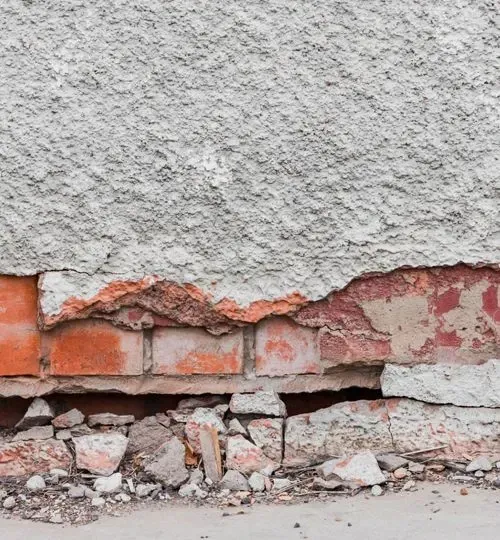
Learn how moisture, soil movement, and heavy rain can affect a concrete foundation in Washington homes, plus signs to watch for and when to call for help.
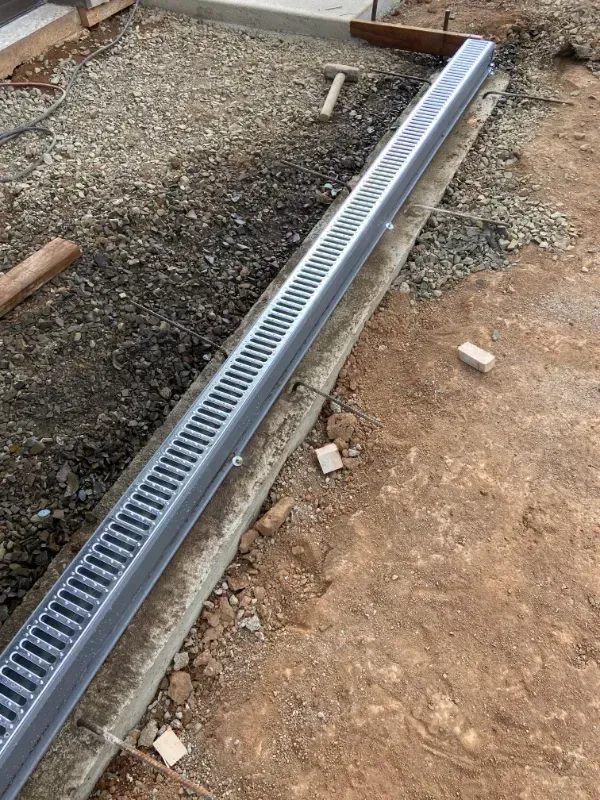
Learn common drainage issues in Olympia homes, including pooling water, erosion, and fixes that help protect concrete surfaces from damage.
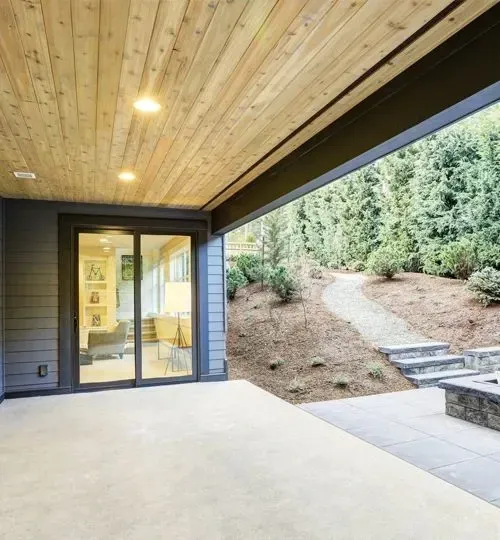
Transform your backyard with concrete patio installation in Tumwater WA. Learn design ideas, benefits, care tips, and how concrete can improve your space.
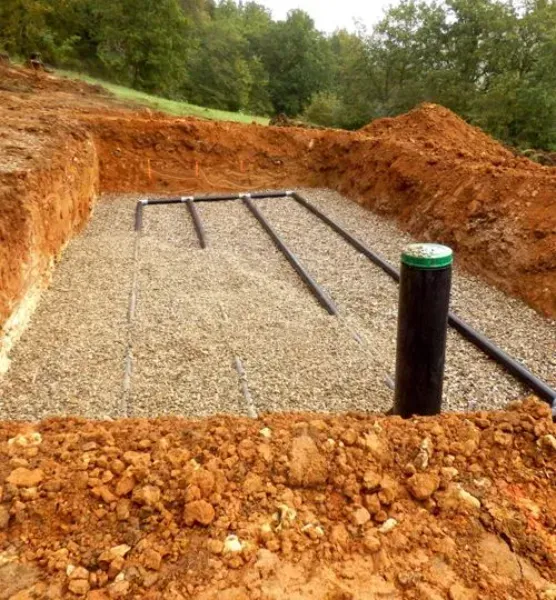
Learn the signs you need storm water drainage in Olympia WA. Protect your home from water damage. Call Northwest Concrete for a free estimate today.
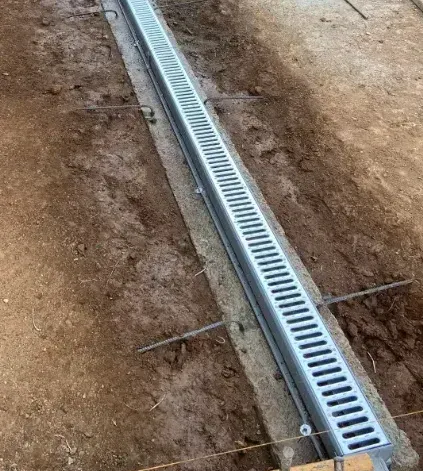
Learn how to choose the right drainage system to protect your home's foundation, stop flooding, and boost curb appeal. Tips for all soil and yard types.
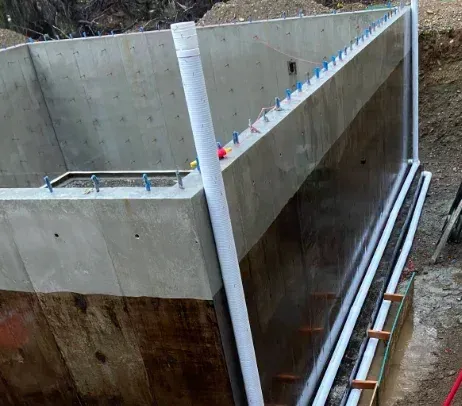
Need a reliable concrete foundation contractor in Tumwater, WA? Northwest Concrete builds strong, long-lasting foundations with expert drainage and prep.