
1363 Old Israel Rd SW , Tumwater , WA 98512

Concrete Driveway Repair vs Replacement in Olympia WA
Michelle Lee • August 27, 2026
How to Tell If Your Concrete Driveway Needs Attention
Your concrete driveway may look tough, but it handles a lot every day. Cars add weight, rain brings moisture, and changing temperatures slowly wear down the surface. Small cracks, faded areas, shallow pits, and uneven spots are often early signs that your driveway may need attention before the damage becomes more serious.
Take a slow walk across the driveway and look closely at the surface. Are cracks becoming wider? Is water collecting in certain areas? Are pieces starting to break away? The size, depth, and location of the damage can help determine whether a simple repair or larger project makes sense.
When Concrete Driveway Repair Is the Better Choice
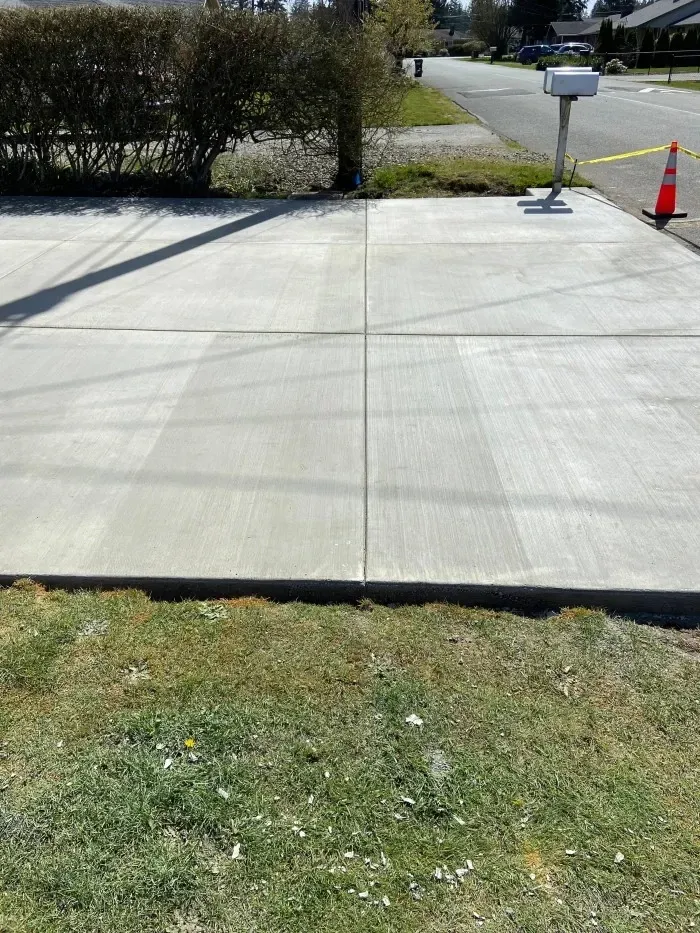
Concrete driveway repair can be a smart choice when most of the slab is still in good condition. A few small cracks, minor chips, or limited surface damage do not always mean the entire driveway needs replacement. Fixing these problems early may improve appearance and help prevent water from reaching deeper areas.
The key is understanding whether the damage is only on the surface or connected to a bigger problem underneath. If the driveway remains stable and the damaged areas are limited, repairs may save both time and money. A professional inspection can help determine whether repairing the existing concrete is worthwhile.
Signs It May Be Time to Replace Your Concrete Driveway
Sometimes repairing one crack after another stops making sense. If your concrete driveway has deep cracks across several areas, large sunken sections, or widespread crumbling, replacement may provide a better long-term solution. These types of problems can be signs that the driveway is losing strength or support beneath the surface.
Replacement can also help correct problems that repairs cannot fully solve. Poor drainage, unstable soil, or an improperly prepared base may continue causing damage even after cracks are patched. Starting fresh allows those underlying issues to be addressed before new concrete is installed, creating a stronger foundation for the future.
How the Amount of Damage Affects Your Decision
The amount of damage is one of the biggest factors when choosing between repair and replacement. One or two small cracks are very different from a driveway covered with deep cracks, broken edges, and uneven sections. The more widespread the damage becomes, the less practical it may be to keep repairing individual areas.
Look at the entire driveway instead of focusing only on the worst spot. If most of the concrete remains solid, repairing a few damaged sections may make sense. If problems appear throughout the driveway, replacement could provide better value. A contractor can help determine whether the damage is cosmetic or more serious.
When Concrete Resurfacing Repair Can Extend Driveway Life
Concrete resurfacing repair can give an older driveway a cleaner appearance without removing the entire slab. A new surface layer is applied over properly prepared existing concrete. This can help cover discoloration, worn areas, minor imperfections, and certain types of shallow surface damage when the original slab is still structurally sound.
Resurfacing is not meant to hide major problems. Deep cracks, large sunken sections, or unstable concrete will often continue causing trouble underneath a new coating. The existing driveway needs to provide a strong foundation. When conditions are right, resurfacing can refresh the appearance and extend the useful life of your driveway.
When Cracks and Uneven Areas Can Still Be Repaired
Not every crack means your driveway needs to be replaced. Smaller cracks that have not spread throughout the slab can often be repaired. Some uneven areas may also have repair options, depending on what caused the concrete to move. Understanding the reason behind the damage is important before choosing a solution.
Water and soil movement are common reasons concrete becomes uneven. If soil washes away or settles beneath the slab, the concrete may lose support and begin sinking. Correcting drainage or support problems can make repairs more effective. Simply covering the visible damage without fixing the cause may allow the same problem to return later.
When Concrete Removal and Full Replacement Make More Sense
There comes a point when concrete removal makes more sense than continuing to repair an old driveway. Large sunken sections, severe cracking, deep deterioration, and loose pieces can all suggest that replacement may be the better option. Removing damaged concrete allows contractors to see and correct problems below the surface.
Once the old driveway is removed, the base can be inspected and prepared for new concrete. Weak soil can be corrected, grading can be improved, and drainage concerns can be addressed. Replacement is a larger project than repair, but it can provide a fresh start when the existing driveway no longer has enough strength.
Comparing the Cost of Concrete Driveway Repair vs Replacement
Repair usually costs less upfront than replacing an entire driveway, which can make it seem like the easiest choice. However, the lowest price today is not always the lowest cost over several years. If repaired areas continue cracking or sinking, repeated work can slowly add up while the original problem remains.
Think about the overall value of each option instead of only the first price you see. Repairing a healthy driveway with limited damage may be worthwhile. Spending money on extensive repairs for a badly damaged driveway may only delay replacement. Consider the driveway's condition, age, damage level, and expected lifespan.
How Long Can a Repaired or Replaced Concrete Driveway Last?
How long a driveway lasts depends on more than whether you repair or replace it. Soil preparation, drainage, concrete quality, installation methods, weather, traffic, and maintenance all affect performance. A well-planned repair can extend the life of strong concrete, while a properly installed replacement can provide dependable use for many years.
Simple maintenance can also help protect your investment. Keep water from collecting around the driveway, repair new cracks before they grow, and avoid placing unusually heavy loads on weak areas. Taking care of small issues early can reduce future damage. The goal is to protect both the appearance and strength of the concrete.
Choosing the Right Concrete Driveway Solution in Olympia WA
Olympia homeowners should pay close attention to moisture and drainage when caring for a concrete driveway. Frequent rain can allow water to work beneath the slab, where it may contribute to soil movement, settling, and cracking. The right solution should consider the surface, base, surrounding soil, drainage, and overall condition of the driveway.
Reach out to Northwest Concrete
in Olympia for help evaluating your driveway and choosing the right solution.
Call 360-529-9961
to get started. You do not have to guess between repair, concrete resurfacing repair, and complete concrete removal. A professional can inspect the driveway and explain which option makes the most sense.
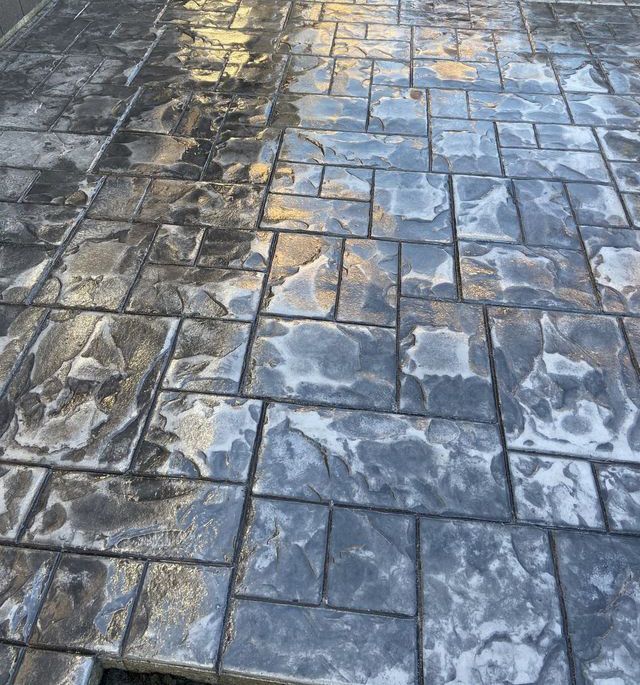
See how a stamped concrete patio in Lacey WA is designed and installed, from patterns and colors to pouring, stamping, sealing, and finishing outdoors.
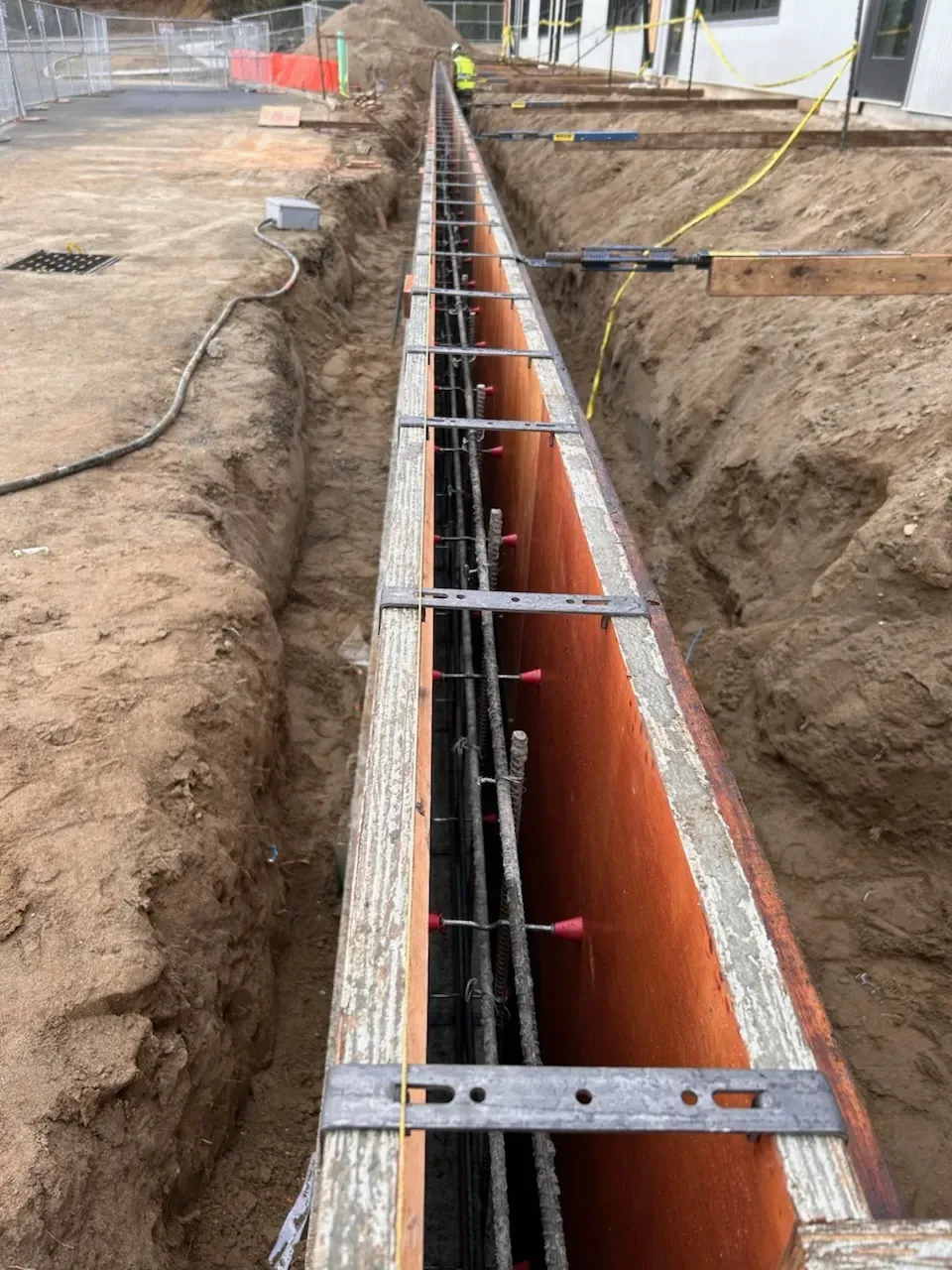
Learn how poor drainage damages driveways and patios in Tumwater, WA. Northwest Concrete explains warning signs, risks, and ways to protect your concrete.
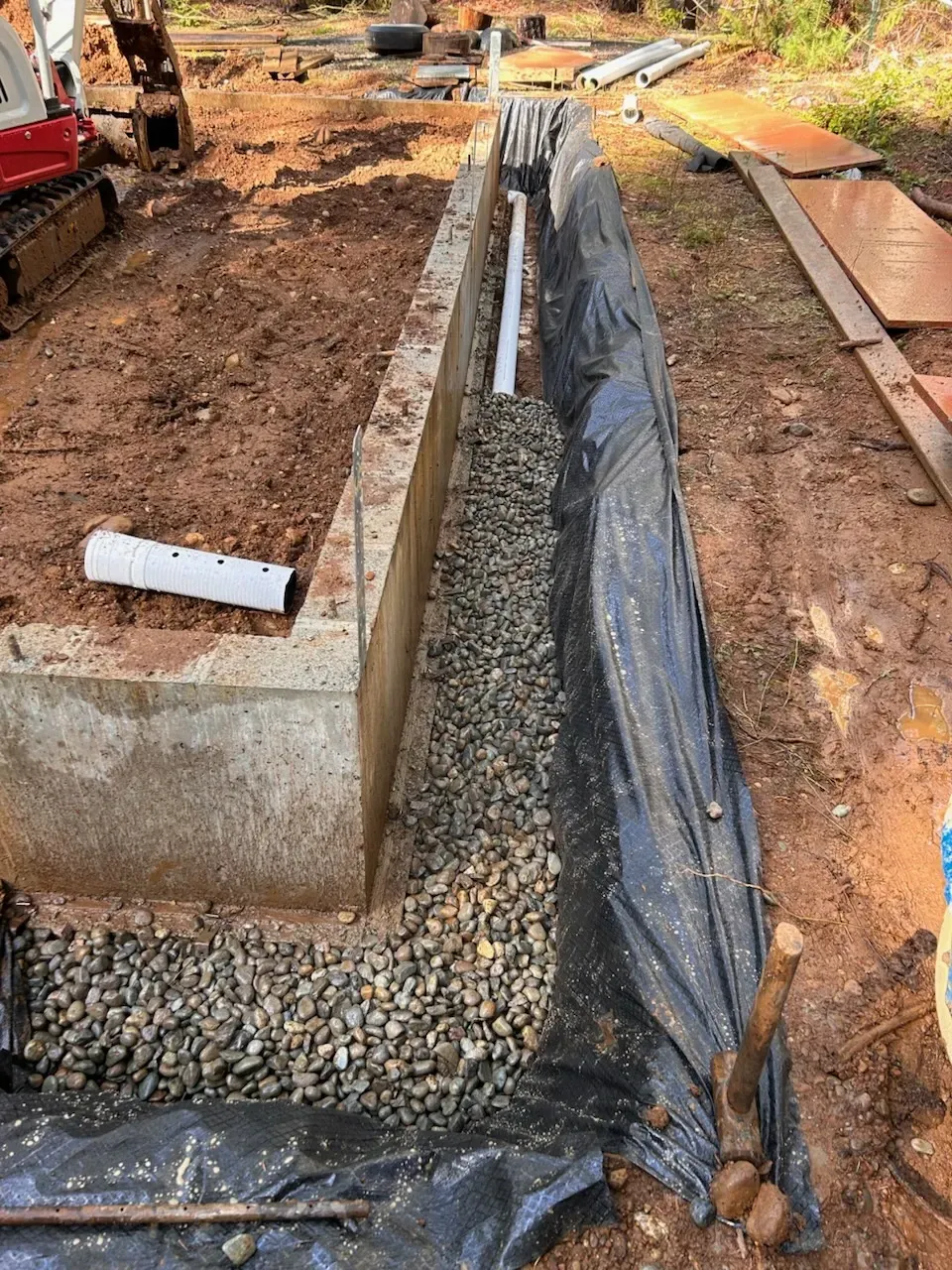
Learn how a drainage system upgrade in Tumwater WA can replace an outdated setup, improve water flow, and help protect your property from excess water.
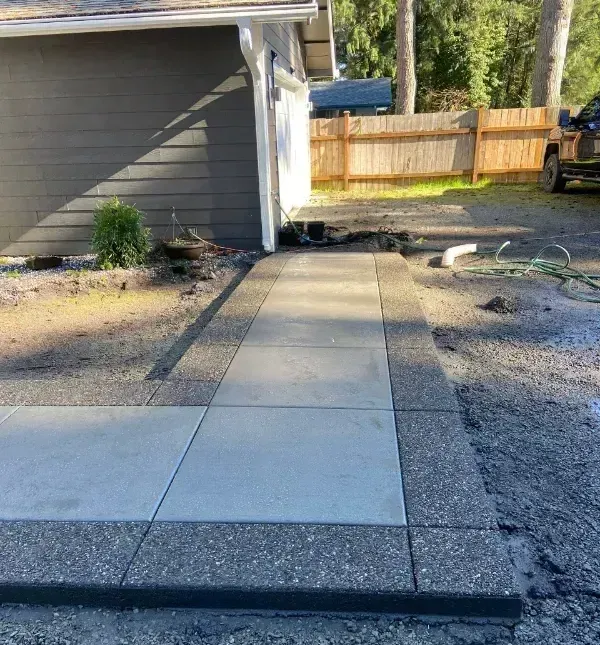
Learn why concrete surfaces sink in Lacey WA, how soil and drainage cause issues, and when leveling, replacement, or resurfacing can help.
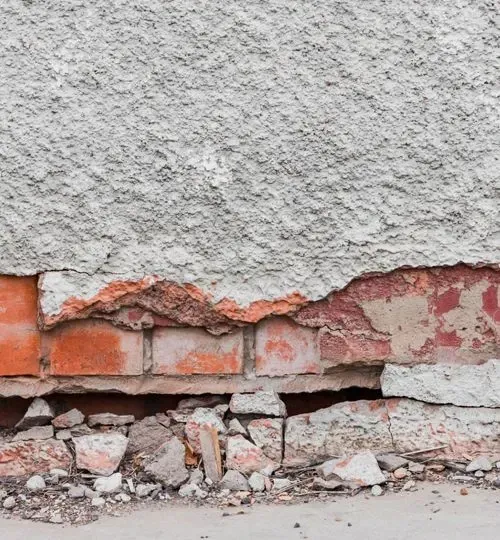
Learn how moisture, soil movement, and heavy rain can affect a concrete foundation in Washington homes, plus signs to watch for and when to call for help.
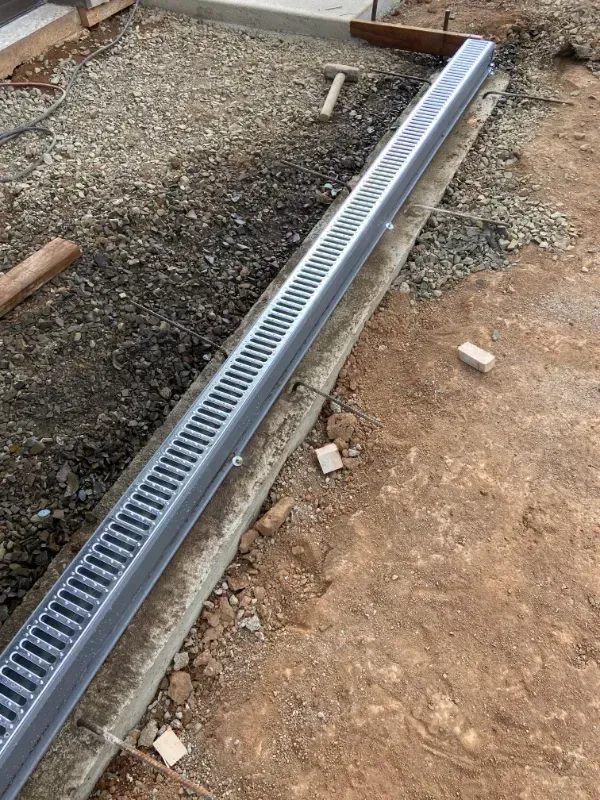
Learn common drainage issues in Olympia homes, including pooling water, erosion, and fixes that help protect concrete surfaces from damage.
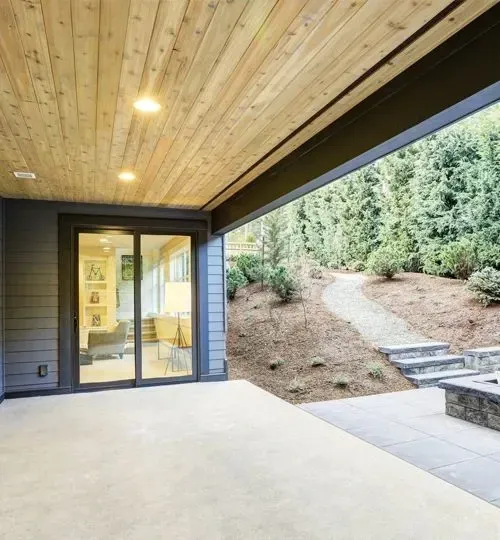
Transform your backyard with concrete patio installation in Tumwater WA. Learn design ideas, benefits, care tips, and how concrete can improve your space.
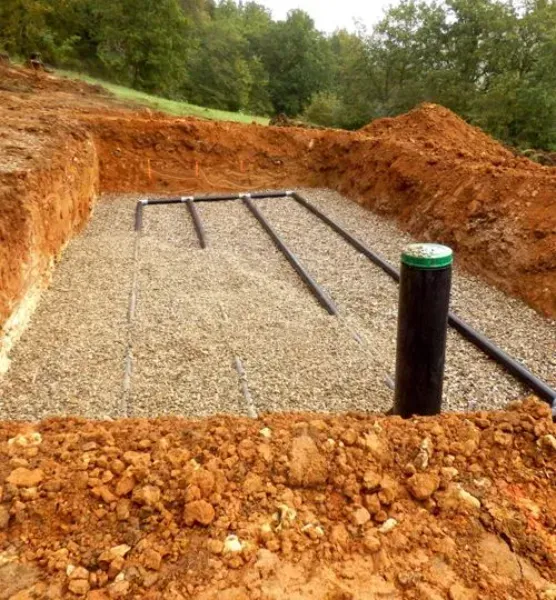
Learn the signs you need storm water drainage in Olympia WA. Protect your home from water damage. Call Northwest Concrete for a free estimate today.
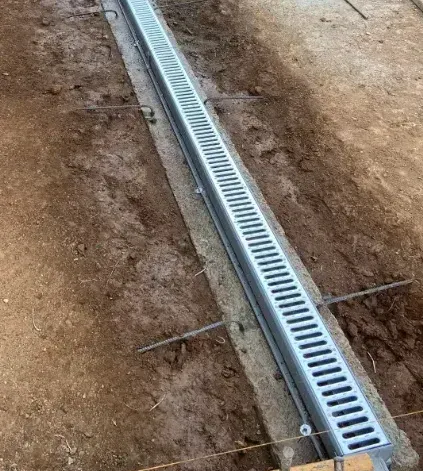
Learn how to choose the right drainage system to protect your home's foundation, stop flooding, and boost curb appeal. Tips for all soil and yard types.
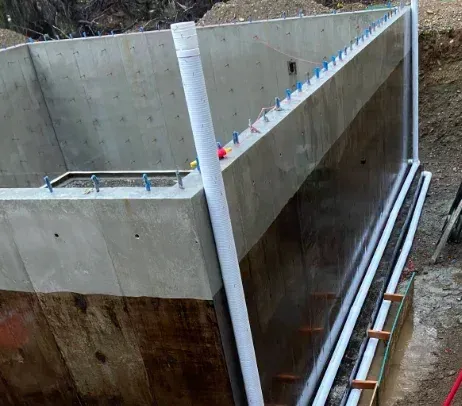
Need a reliable concrete foundation contractor in Tumwater, WA? Northwest Concrete builds strong, long-lasting foundations with expert drainage and prep.