
1363 Old Israel Rd SW , Tumwater , WA 98512

Concrete Foundation Issues Common in Washington Homes
Michelle Lee • July 30, 2026
Why Foundation Issues Are Common in Washington Homes
Washington is a beautiful place to live, but the weather can be tough on a home. Many areas get steady rain, and that extra moisture can slowly change the ground around a house. When soil gets wet, dries out, and gets wet again, it can shift. That movement can place stress on the foundation below.
Even a
strong concrete foundation needs steady support from the soil around it. If the ground moves too much, small cracks or uneven areas can begin to show. Catching these changes early can help homeowners protect the home before the problem grows.
How Moisture Can Affect a Concrete Foundation
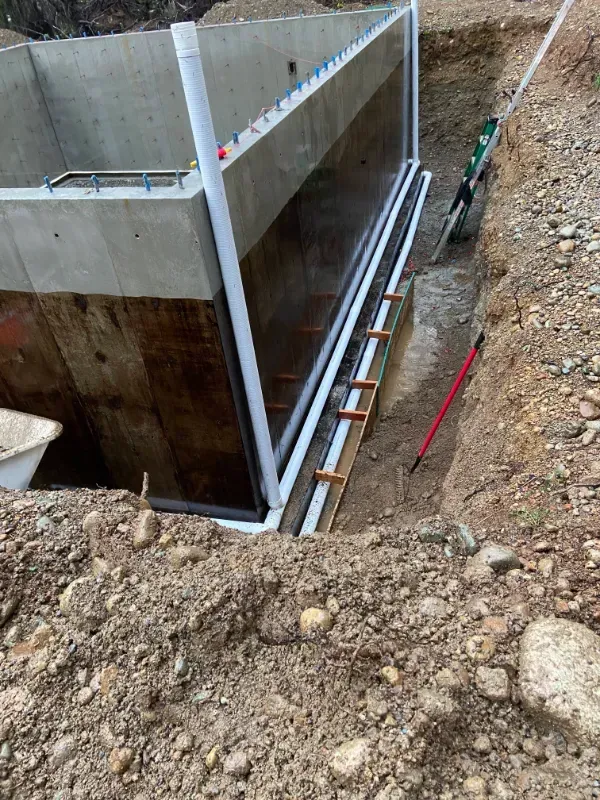
Moisture is one of the biggest reasons foundation problems happen in Washington homes. When water collects around a house, it can soak deep into the soil. Wet soil can become heavy and press against the foundation. Over time, that pressure may lead to cracks, bowing, or other signs of stress.
Water can also find its way into small openings and make existing damage worse. This is why moisture control matters so much. Clean gutters, working downspouts, and proper grading can help move water away from the home and keep the foundation area more stable.
Why Washington Soil Movement Can Cause Foundation Problems
Soil may look still, but it can move more than many homeowners realize. In Washington, soil often changes because of rain, moisture, and seasonal weather. Some soils expand when they get wet and shrink when they dry. This back-and-forth movement can slowly affect the base of a home.
When the soil under or around a concrete foundation shifts, the home may settle unevenly. That can lead to sloping floors, sticking doors, or cracks near windows and walls. These little clues are worth watching because they can point to changes happening below the surface.
Signs Your Concrete Foundation May Need Attention
A home often gives small warning signs when something is not quite right. Cracks in walls, gaps around windows, uneven floors, or doors that no longer close well can all point to foundation movement. These signs do not always mean there is a major problem, but they should not be ignored.
Outside the home, homeowners may notice cracks in the concrete foundation, separation near steps, or water pooling close to the base of the house. These signs are easier to handle when they are found early. A quick inspection can help bring answers and peace of mind.
How Heavy Rain Can Put Pressure on Your Foundation
Heavy rain can be more than just a wet-weather problem. When rainwater gathers around a home, it can make the soil heavy and swollen. That extra weight can push against foundation walls. Over time, this pressure can lead to cracks, leaks, or movement in the structure.
The goal is not to stop the rain, but to control where the water goes. A home with better drainage has less standing water near the foundation. That means the soil can stay more balanced, and the foundation does not have to work against constant water pressure.
The Role of Drainage in Protecting Your Concrete Foundation
Drainage plays a huge role in keeping a home safe and steady. When water flows away from the house, the soil around the foundation stays more balanced. This helps reduce pressure and keeps the ground from becoming too soft, too heavy, or too unstable after storms.
A good drainage setup does not have to be complicated. It may include downspouts that extend away from the house, soil that slopes properly, or drains that guide water away from problem areas. These simple improvements can help protect a concrete foundation for years.
Why Cracks in a Foundation Should Not Be Ignored
A small crack can seem harmless at first. Many homeowners see one and think it is just part of the house getting older. Sometimes that may be true, but cracks can also be a sign that the foundation is under stress from water, soil movement, or settling.
The important thing is to watch how the crack behaves. If it grows wider, gets longer, lets in water, or appears with other warning signs, it deserves attention. Looking at cracks early can help homeowners understand what is happening and avoid larger repairs later.
How Tree Roots and Landscaping Can Affect Your Foundation
Trees and landscaping make a yard look beautiful, but they can also affect the soil near a home. Large roots may grow close to the foundation and change how water moves through the ground. Some plants can also pull moisture from the soil, causing it to dry and shrink.
This does not mean homeowners need to remove every tree or plant. It simply means landscaping should be planned with the home in mind. Choosing the right plants, keeping larger trees at a safe distance, and managing water flow can help protect the foundation.
When to Call a Professional for Foundation Concerns
It can be hard to know when a foundation concern is serious. A tiny crack or sticky door may not seem urgent, but it can still be a clue. If several signs show up at once, it is a good idea to have the home checked by someone who understands foundations. Getting help early can make the process feel less stressful and more manageable.
A professional can look at the full picture, including cracks, drainage, soil conditions, and changes inside the home. This helps homeowners avoid guessing. Once the cause is clear, it becomes easier to choose the right repair, improvement, or next step. The right guidance can help protect the home and give homeowners more confidence moving forward.
How to Help Protect Your Concrete Foundation Long Term
Protecting a foundation starts with simple habits. Keep gutters clean, make sure downspouts move water away, and watch for areas where rainwater collects. Also, check for new cracks or changes around doors, windows, and floors. Small checks can help catch problems early.
Reach out to Northwest Concrete and call at 360-529-9961 if you are concerned about your concrete foundation. Our team provides concrete services in Tumwater and understands the moisture and soil concerns that affect Washington homes. A stronger foundation can help your home feel safer for years to come.
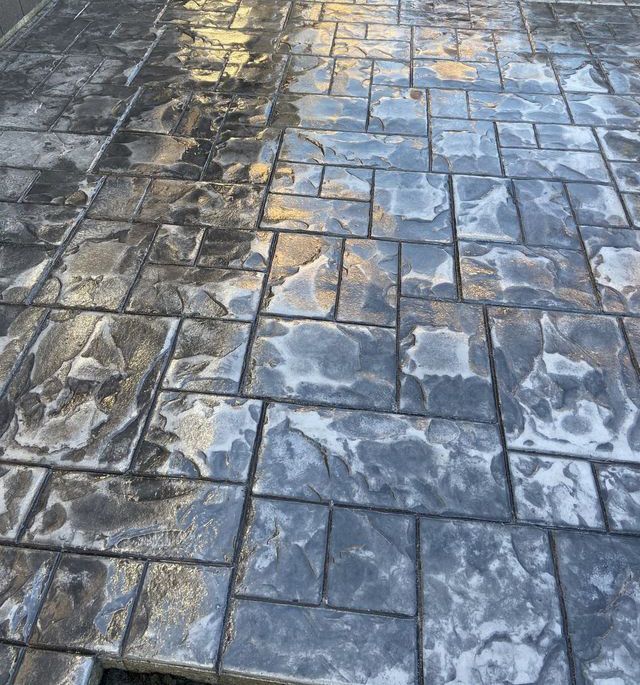
See how a stamped concrete patio in Lacey WA is designed and installed, from patterns and colors to pouring, stamping, sealing, and finishing outdoors.
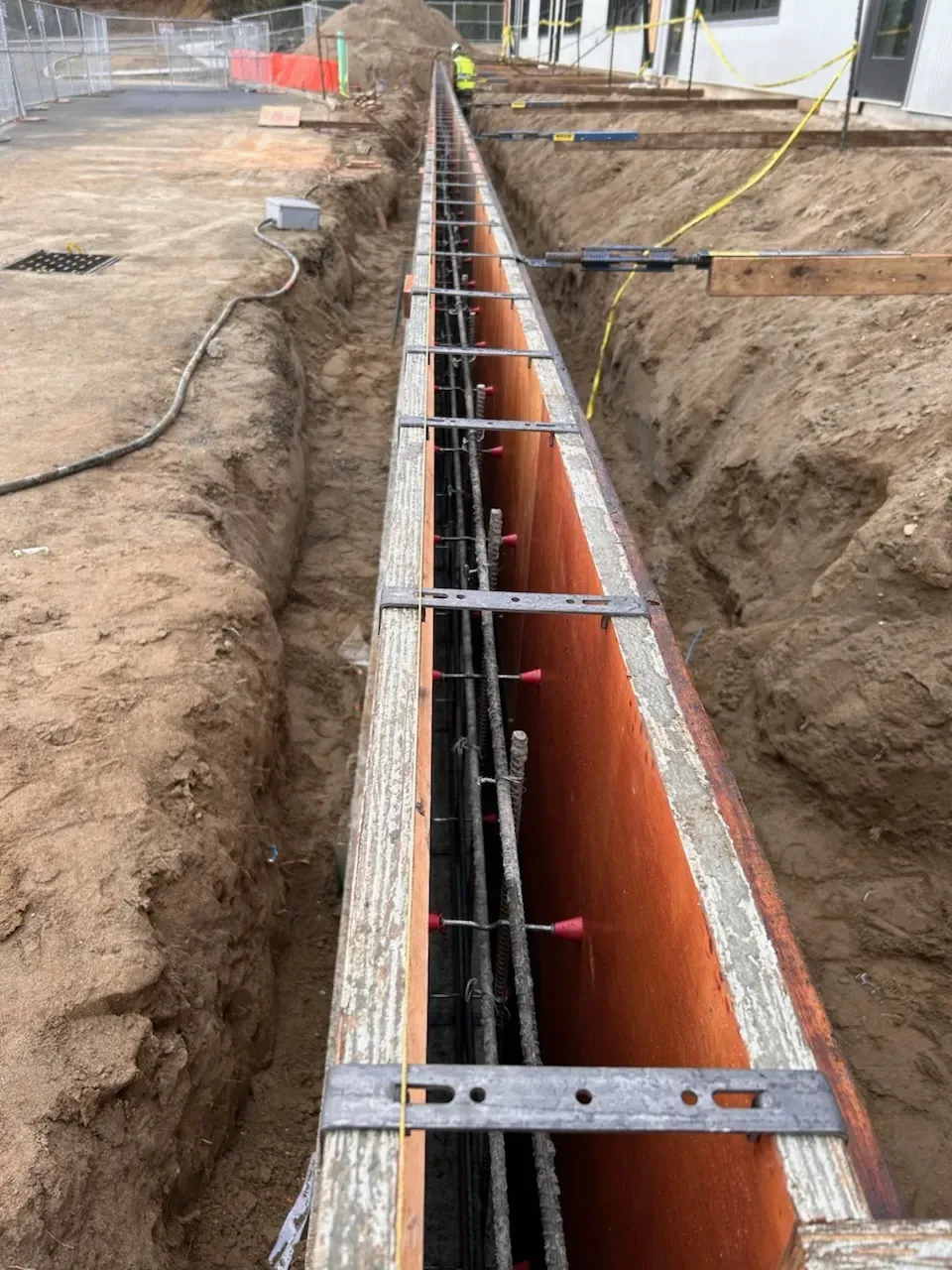
Learn how poor drainage damages driveways and patios in Tumwater, WA. Northwest Concrete explains warning signs, risks, and ways to protect your concrete.
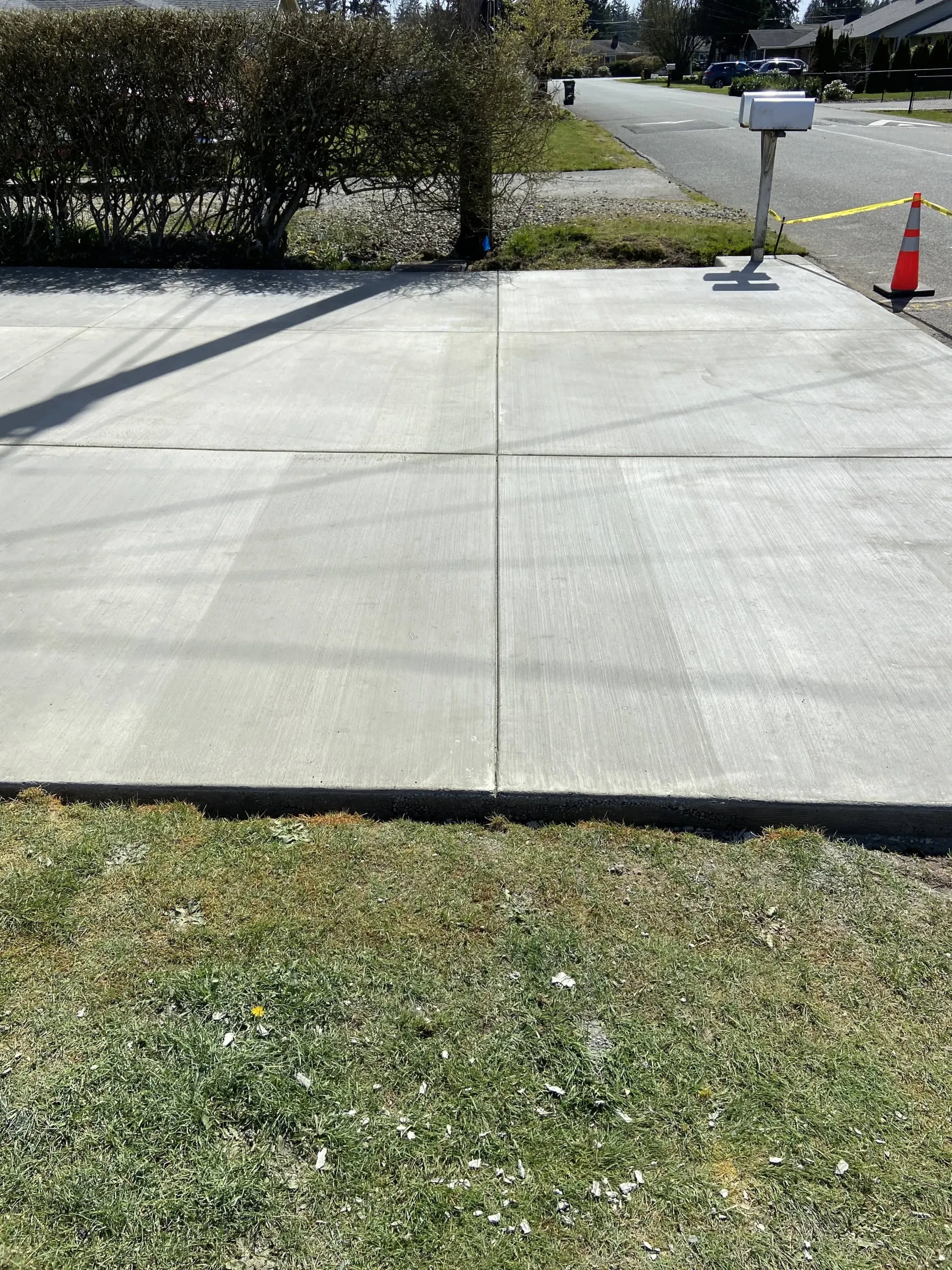
Learn when to repair, resurface, or replace a concrete driveway in Olympia WA based on damage level, cost, lifespan, and long-term value for your home.
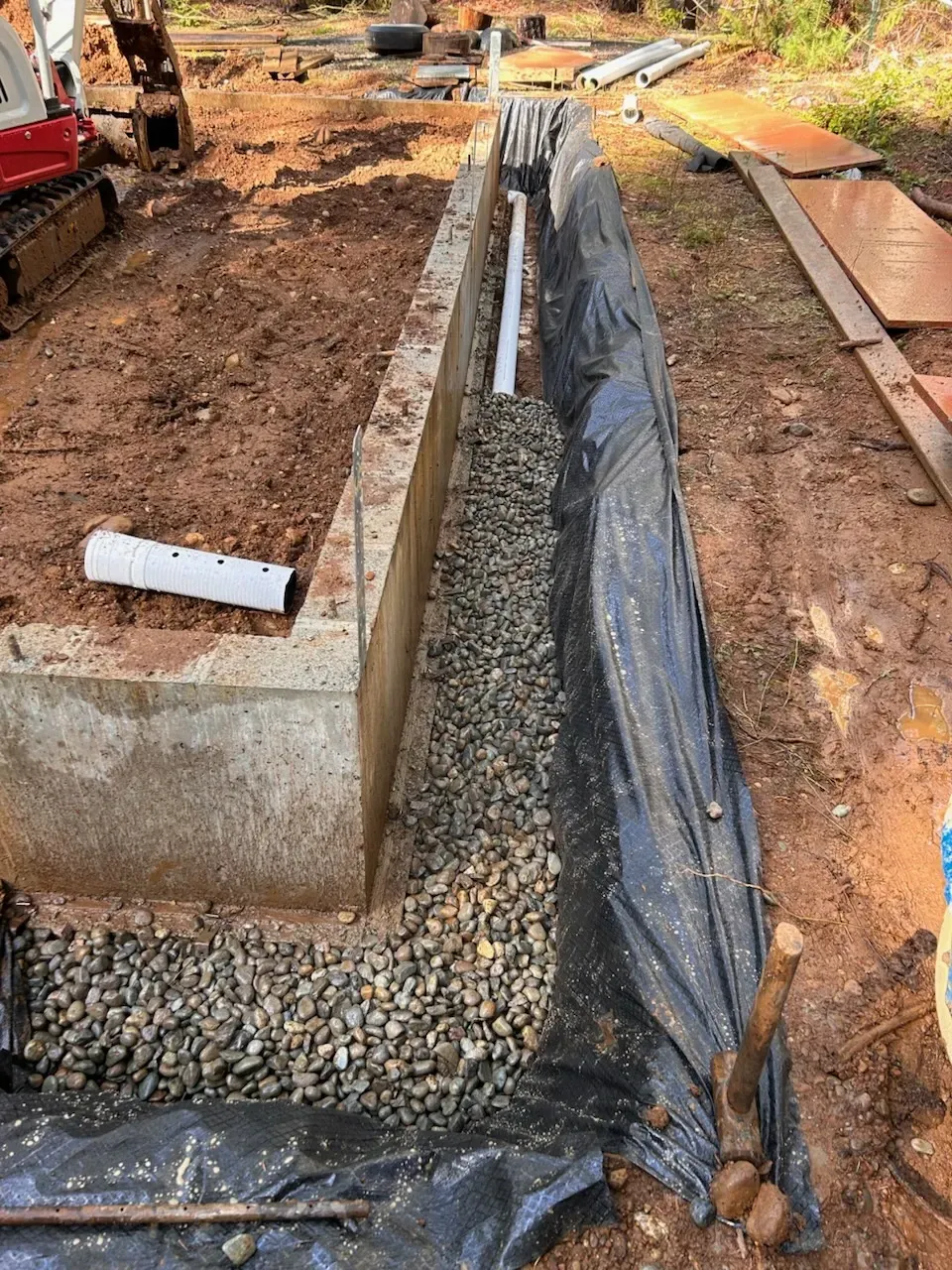
Learn how a drainage system upgrade in Tumwater WA can replace an outdated setup, improve water flow, and help protect your property from excess water.
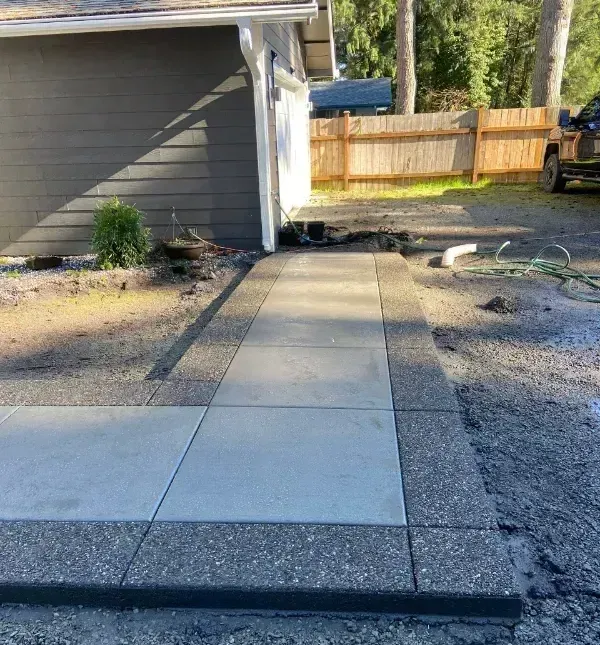
Learn why concrete surfaces sink in Lacey WA, how soil and drainage cause issues, and when leveling, replacement, or resurfacing can help.
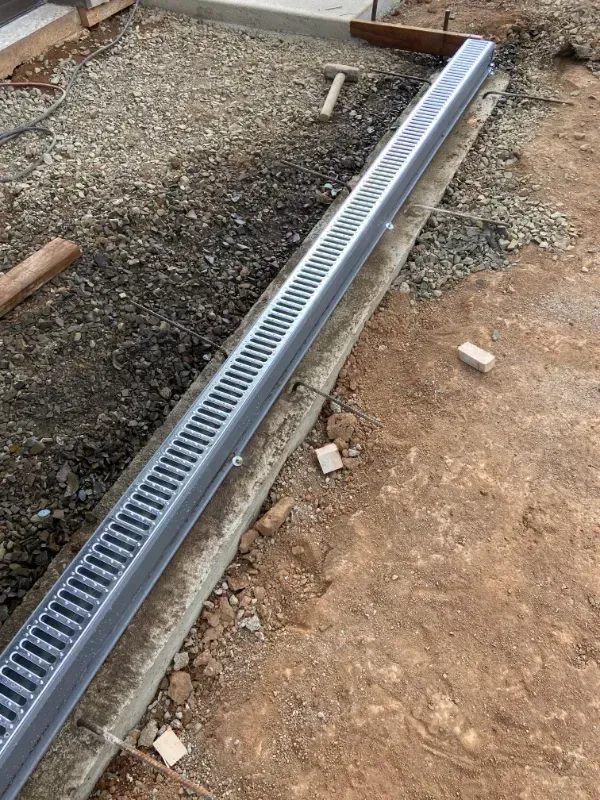
Learn common drainage issues in Olympia homes, including pooling water, erosion, and fixes that help protect concrete surfaces from damage.
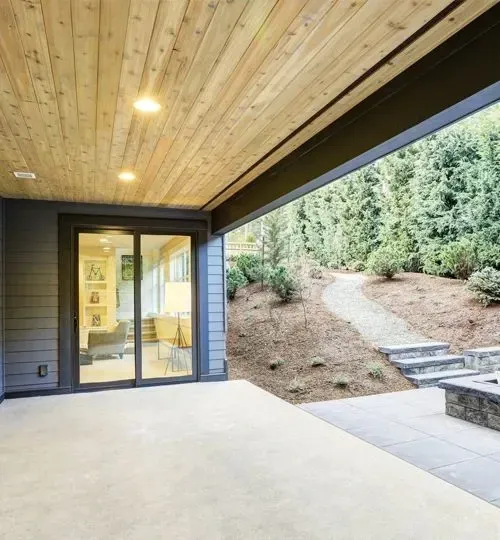
Transform your backyard with concrete patio installation in Tumwater WA. Learn design ideas, benefits, care tips, and how concrete can improve your space.
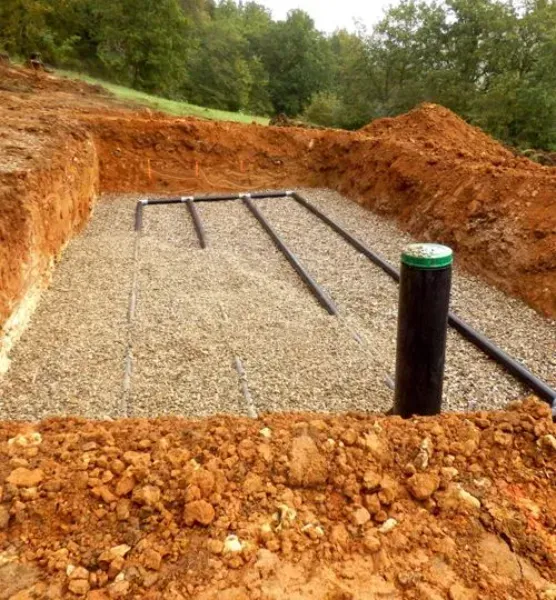
Learn the signs you need storm water drainage in Olympia WA. Protect your home from water damage. Call Northwest Concrete for a free estimate today.
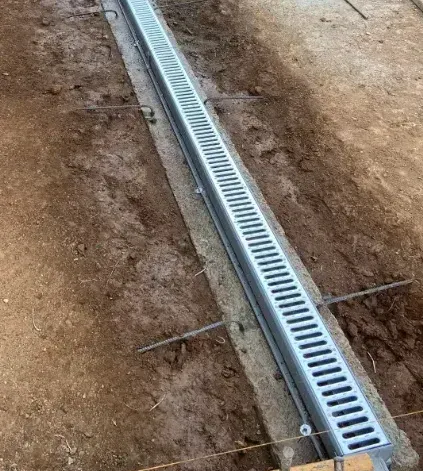
Learn how to choose the right drainage system to protect your home's foundation, stop flooding, and boost curb appeal. Tips for all soil and yard types.
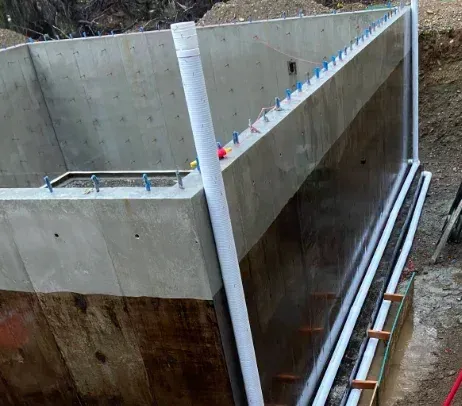
Need a reliable concrete foundation contractor in Tumwater, WA? Northwest Concrete builds strong, long-lasting foundations with expert drainage and prep.